Introduction
Elevator installation costs are one of the most important factors that building owners, contractors, and developers consider when planning a new project. Whether it is a residential building, commercial property, hotel, hospital, or industrial facility, understanding the total cost of elevator installation can helps buyers create a realistic budget and choose the right elevator solution.
However, the cost of installing an elevator is not determined only by the elevator equipment price. Many other factors, including installation labor, building conditions, transportation, customization requirements, and local regulations, can affect the final investment.
This guide explains the main details of elevator installation costs, the factors that influence pricing, and how international buyers can better estimate their elevator project budget.
What Is Included in Elevator Installation Costs?
The total elevator installation cost usually includes several major components:
- Elevator equipment cost
- Installation labor cost
- Building preparation cost
- Transportation and import expenses
- Electrical and construction work
- Testing and certification fees
- Maintenance and after-sales service
Understanding each part of the cost structure can help buyers avoid unexpected expenses during the project.
1. Elevator Equipment Cost
The elevator equipment itself is usually the largest part of the total project investment. The price depends on the elevator type, capacity, speed, design, and technical configuration.
Common elevator equipment includes:
- Elevator cabin
- Traction machine or hydraulic system
- Control cabinet
- Guide rails
- Landing doors
- Safety devices
- Electrical components
- Operating panels
Different applications need different elevator solutions. For example, a home elevator usually has a smaller capacity and simpler design, but a commercial passenger elevator requires higher performance, stronger components, and advanced control systems.
Working directly with an experienced elevator manufacturer can help buyers get customized solutions and reduce unnecessary costs caused by unsuitable specifications.
2. Elevator Installation Labor Cost
Installation labor is another important part of the total cost. The amount depends on several factors:
- Installation location
- Project complexity
- Number of floors
- Elevator type
- Local labor rates
- Installation schedule
For international projects, labor costs can vary significantly between countries and regions. In some markets, professional elevator installation teams may represent a considerable percentage of the total project budget.
Choosing an elevator supplier that provides technical guidance, installation manuals, and remote support can help improve installation efficiency and reduce potential problems.
3. Building Preparation and Construction Costs
Many buyers focus only on the elevator price but overlook the additional construction work required before installation.
Building preparation costs may include:
Elevator Shaft Construction
A suitable elevator shaft is required to install guide rails, doors, and other components. New buildings usually have fewer preparation issues because the elevator structure can be planned in advance.
Elevator Pit Construction
Some elevator models need a pit at the bottom of the shaft. The depth and construction requirements depend on the elevator design.
Machine Room Preparation
Traditional traction elevators may need a machine room, but many modern machine-room-less elevators can reduce construction requirements.
Electrical Installation
Elevators need proper power supply, wiring, and electrical protection systems to ensure safe operation.
For existing buildings, additional modification work may increase the overall installation cost.
4. Transportation and Import Costs
For international elevator projects, transportation expenses should also be included in the total budget.
These costs may include:
- Ocean freight
- Insurance
- Port charges
- Customs clearance
- Local transportation
Since elevators consist of many large and heavy components, shipping costs can vary depending on the destination country, packaging method, and shipment volume.
Experienced elevator exporters usually help customers prepare proper documentation and provide support during the international shipping process.
5. Testing, Certification, and Inspection Costs
Elevators are safety-related equipment, so inspection and certification are essential parts of the installation process.
Depending on the destination market, buyers may need:
- Safety inspections
- Local certification
- Installation approval
- Performance testing
Meeting local elevator standards ensures safe operation and helps avoid delays after installation.
Before purchasing an elevator, international buyers should confirm the required certifications and technical standards in their country.
Factors That Affect Elevator Installation Costs
The final elevator installation cost depends on many project-specific factors.
1. Elevator Type
Different elevator applications have different price ranges.
Common types include:
Passenger Elevators
Used in apartments, offices, hotels, and commercial buildings. Cost depends on capacity, speed, cabin design, and traffic requirements.
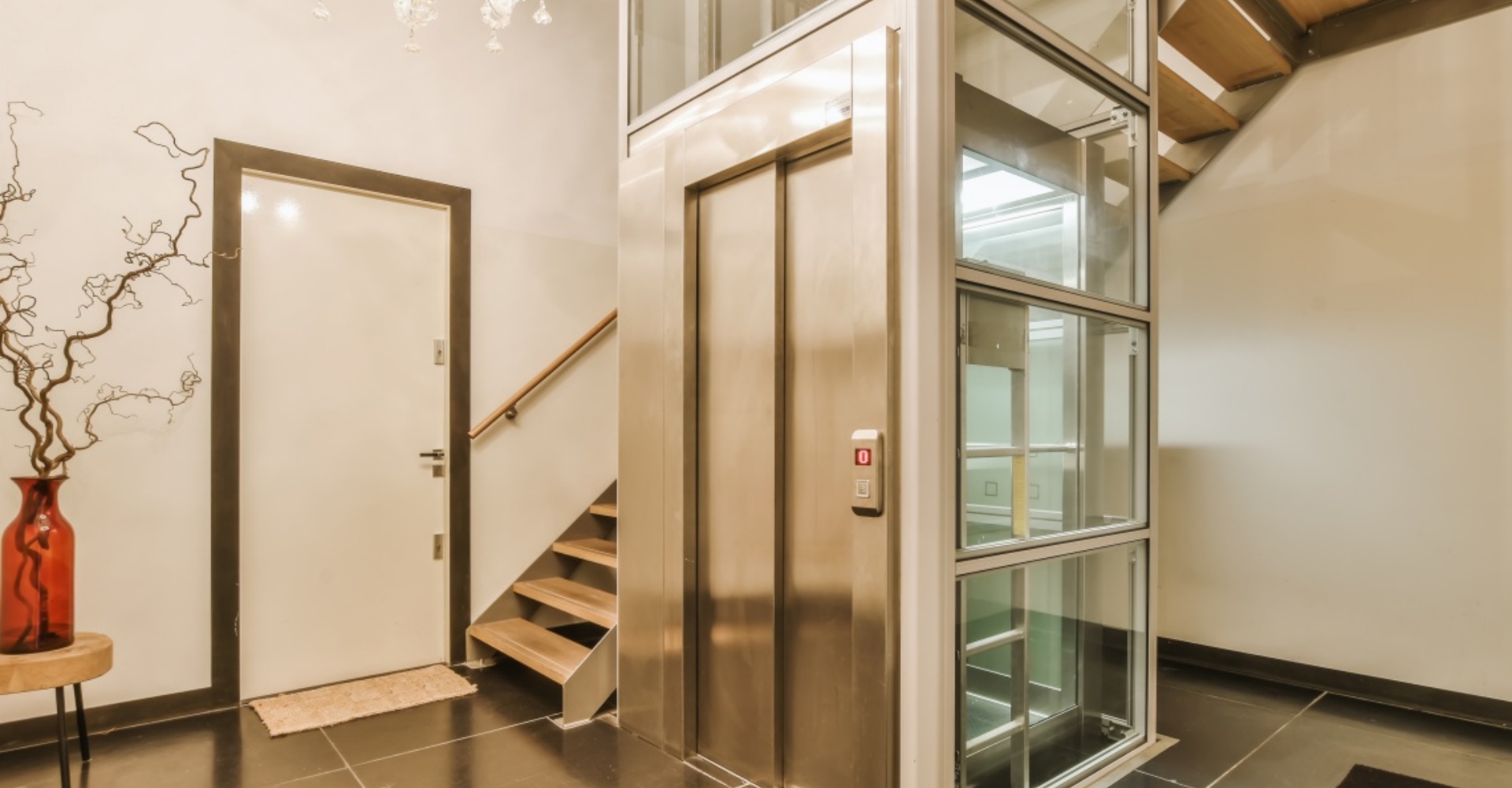
Home Elevators
Designed for private houses and villas. They usually require lower capacity and simpler installation compared with commercial elevators.
Freight Elevators
Used in factories, warehouses, and industrial buildings. They require stronger structures and higher load capacity.
Hospital Elevators
Designed for medical facilities and require smooth operation, larger cabins, and strict safety standards.
2. Number of Floors and Travel Height
The number of floors directly affects installation costs.
Higher buildings usually require:
- Longer guide rails
- More electrical wiring
- Higher installation time
- More powerful elevator systems
A low-rise residential elevator project will usually have a different cost structure compared with a high-rise commercial elevator project.
3. Load Capacity
Elevator capacity is another important pricing factor.
Common capacities include:
- 320 kg
- 450 kg
- 630 kg
- 1000 kg
- 1600 kg or more
4. Custom Design Requirements
Many customers require customized elevator designs to match their building style.
Customization options may include:
- Stainless steel cabin finishes
- Glass panoramic cabins
- Special door designs
- Luxury interior decoration
- Smart control systems
Although customization improves appearance and user experience, it may also increase the project budget.
Average Elevator Installation Cost Estimate
The actual cost varies greatly depending on project requirements and location. However, a general estimate is:
| Elevator Type | Estimated Installation Cost |
| Home elevator | USD 15,000 – 50,000 |
| Passenger elevator | USD 30,000 – 100,000+ |
| Commercial elevator | USD 50,000 – 150,000+ |
| Freight elevator | USD 40,000 – 120,000+ |
These figures are only general references. A precise quotation requires detailed project information, including:
- Building type
- Number of floors
- Elevator capacity
- Travel height
- Installation location
- Required specifications
How to Reduce Elevator Installation Costs
Reducing elevator costs does not always mean choosing the cheapest product. A suitable solution can provide better long-term value.
1.Choose the Right Elevator Specification
Selecting an elevator based on actual usage requirements can prevent unnecessary expenses. Oversized or over-designed systems may increase both purchasing and maintenance costs.
2.Purchase Directly From an Elevator Manufacturer
Working with a factory directly can provide:
- Competitive pricing
- Customized solutions
- Technical support
- Faster communication
It also allows buyers to better understand product quality and production capabilities.
3.Plan the Elevator Project Early
Early planning helps reduce additional construction work and prevents unexpected modifications during installation.
4.Consider Long-Term Maintenance Costs
A lower initial price does not always mean lower total cost. Reliable components, professional installation, and good after-sales support can reduce future maintenance expenses.
Elevator Manufacturer vs Local Supplier: Which Is Better?
International buyers often need to decide whether to purchase from a local supplier or directly from an elevator manufacturer.
| Elevator Manufacturer | Local Supplier | |
| Equipment price | Usually more competitive | Usually higher |
| Customization | More flexible | Limited options |
| Technical communication | Direct with factory engineers | Through distributor |
| Production control | Higher visibility | Depends on supplier |
| After-sales support | Direct manufacturer support | Depends on service network |
For large projects, working directly with a reliable elevator manufacturer can provide better control over quality, cost, and customization.
Frequently Asked Questions About Elevator Installation Costs
1.How long does elevator installation take?
The installation time depends on elevator type, building conditions, and project size. A standard elevator installation may take several weeks, while complex commercial projects may require more time.
2.Can elevators be installed in existing buildings?
Yes. Many elevators can be installed in existing buildings, but additional construction work may be required, which can increase the total cost.
3.What information is needed to get an elevator quotation?
To receive an accurate quotation, buyers should provide:
- Building drawings
- Number of floors
- Elevator capacity
- Speed requirement
- Shaft dimensions
- Installation location
- Preferred design options
Conclusion
Elevator installation costs include much more than the elevator equipment price. Equipment selection, construction requirements, labor costs, transportation, and local regulations all influence the final project budget.
For international buyers, choosing an experienced elevator manufacturer is an effective way to receive a suitable solution, accurate pricing, and professional technical support.
If you are planning an elevator project, contact our team with your project details. We can provide a customized elevator solution and a detailed installation cost estimate based on your requirements.