Introduction
Now modern buildings continue to develop toward smarter and more space-efficient designs, Machine Room-Less Elevators(MRL) have become more and more popular in residential and commercial projects around the world.
Compared with traditional elevators that require a separate machine room, MRL elevators are designed to save space, reduce construction costs, and improve energy efficiency. So because of these advantages, many developers, architects, and building owners now prefer MRL elevator systems for mid-rise and even high-rise buildings.
However, like any elevator solution, MRL elevators also have certain limitations. Understanding the advantages and disadvantages of Machine Room-Less elevators is important before choosing the right elevator system for your project.
In this article, we will explain everything in simple and practical language to help building owners, contractors, and elevator buyers make better decisions.
1.What is a Machine Room-Less Elevator?
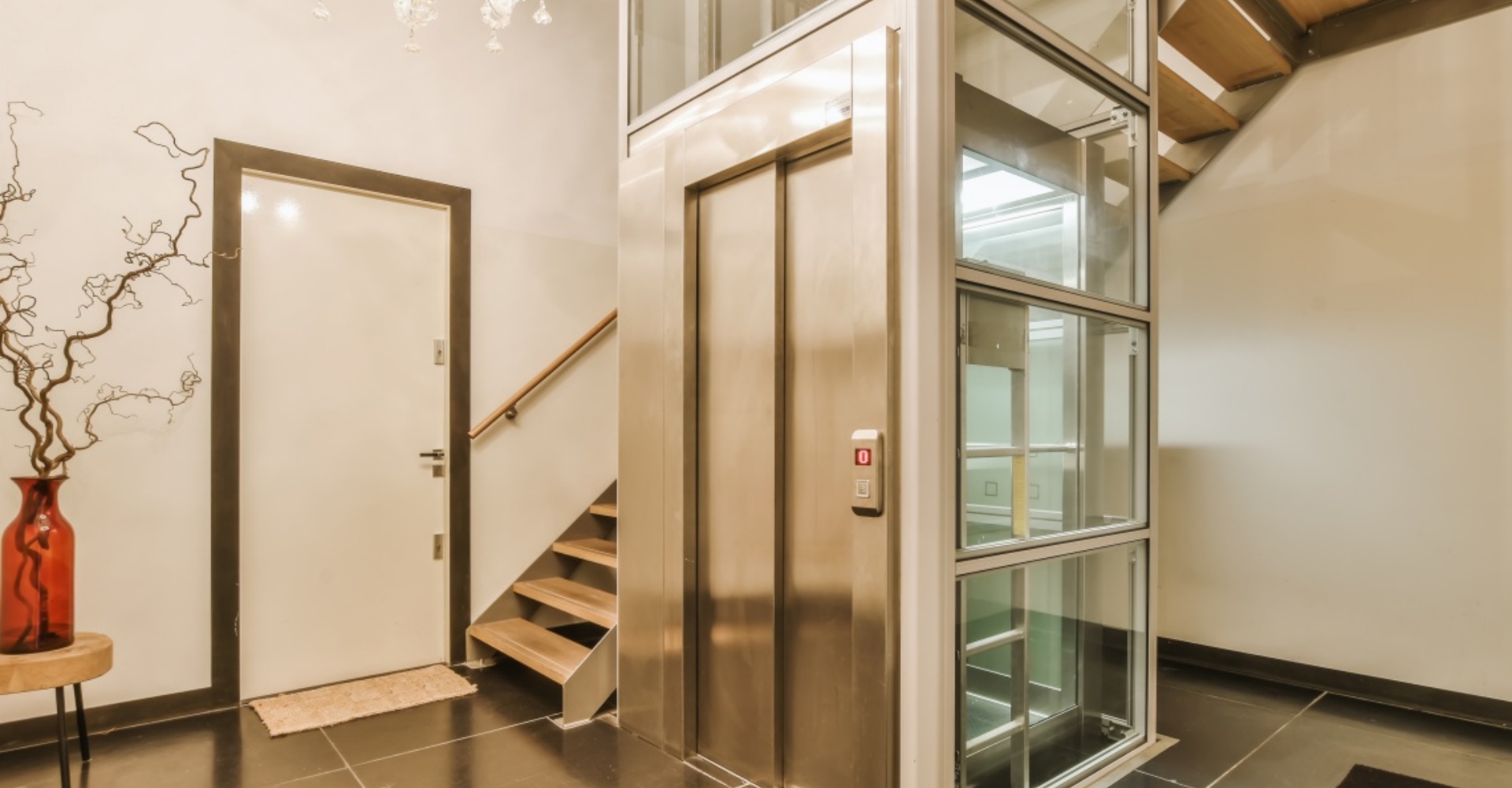
A Machine Room-Less Elevator (MRL Elevator) does not needa separate machine room above the elevator shaft. Instead, the traction machine and control equipment are installed inside the hoistway or near the top of the elevator shaft. This design saves space and is widely used in modern residential buildings, hotels, offices, and small commercial projects.
Traditional elevators usually needadditional space for the machine room, and MRL elevators use compact gearless machines to reduce building space requirements.
Today, MRL elevators are widely used in:
- Residential apartments
- Office buildings
- Hotels
- Shopping malls
- Hospitals
- Commercial buildings
Advantages of Machine Room-Less Elevator
Save building space
One of the biggest advantages of MRL elevators is saving space. Since there is no need for a separate machine room, builders can use the extra space for other purposes. This is very important in urban projects where every square meter matters.
For residential and commercial buildings, eliminating the machine room can increase usable building area and improve architectural flexibility.
Lower Construction Cost
Because MRL elevators do not need a machine room, so the building structure becomes simpler. This helps reduce construction materials and installation costs.
Developers can save money on:
- Machine room construction
- Additional structural work
- Building materials
This makes MRL elevators a cost-effective solution for many mid-rise projects.
Energy Efficiency
Most modern MRL elevators use gearless traction machines and advanced VVVF control systems, which consume less electricity compared with older traditional elevator systems.
Many MRL elevators also include:
- LED lighting
- Automatic standby mode
- Regenerative drive systems
As energy costs continue to rise, energy-efficient elevators are becoming more attractive for building owners.
Modern and Compact Technology
MRL elevators use advanced compact equipment that allows smoother and quieter operation.
Passengers usually experience:
- Reduced noise
- Less vibration
- Smooth ride comfort
This is very important in hotels, office buildings, and high-end residential projects.
Environmentally Friendly
MRL elevators are often considered a greener elevator solution because they use less energy and require fewer construction materials.
Many green building projects now prefer MRL elevator systems to support sustainable building standards.
Modern and Clean Appearance
MRL elevators are often seen as a modern solution. They fit well in contemporary buildings with a clean and simple design. Many property owners prefer them because they help create a more advanced and attractive building image.
Disadvantages of Machine Room-Less Elevator
Maintenance Can Be More Difficult
Because the machinery is installed inside the shaft, so maintenance technicians may have less working space compared with traditional machine-room elevators.
In some cases, maintenance and repairs may take longer. This means professional elevator technicians are especially important for MRL systems.
Higher Initial Equipment Cost
Although MRL elevators can reduce construction costs, the elevator equipment itself may sometimes be more expensive because of the advanced compact technology.
High-quality gearless machines and intelligent control systems usually cost more than traditional elevator components.
Limited for Very High-Rise Buildings
MRL elevators work very well for low-rise and mid-rise buildings, but in some super high-rise projects, traditional machine-room elevator systems may still perform better.
This is because high-rise buildings often require larger equipment and more advanced cooling systems.
Heat Dissipation Problems
Traditional machine rooms provide better ventilation and cooling for elevator equipment.
Since MRL systems place equipment inside the shaft, heat management can become more challenging in hot environments or buildings with heavy elevator usage.
Proper design and ventilation are important to ensure stable performance.
Higher Noise or Vibration in Some Cases
Because the machinery is placed closer to the shaft and passenger area, noise and vibration may be more noticeable in certain designs. Good engineering can reduce this problem, but it is still something to consider.
Installation Requires Careful Planning
An MRL elevator is compact, but that does not mean it is simple. The installation must be carefully designed to fit the building structure, safety rules, and equipment layout. A poor design can create long-term problems.
Is MRL Elevator a Good Choice?
For most modern residential and commercial buildings, MRL elevators are an excellent solution because they save space, reduce energy consumption, and provide modern elevator performance.
They are especially suitable for:
- Mid-rise buildings
- Apartments
- Hotels
- Office buildings
- Commercial projects
However, for extremely tall buildings or projects requiring very heavy-duty elevator systems, traditional machine-room elevators may still be preferred.
The best solution always depends on the building structure, project budget, traffic requirements, and long-term maintenance considerations.
Conclusion
Machine Room-Less elevators have become one of the most popular elevator solutions in today’s construction industry. Their space-saving design, energy efficiency, modern technology, and lower construction requirements make them very popular for many projects.
At the same time, buyers should also consider maintenance access, equipment costs, and project height limitations before making a final decision.
If you are planning a new elevator project, choosing the right elevator manufacturer and professional technical solution is just as important as selecting the elevator type itself.