Elevator Procurement Guide for Contractors | How to Choose an Elevator Supplier
For construction contractors, purchasing an elevator is not just compare product prices. An elevator is a long-term building system that affects architectural design, electrical requirements, construction schedules, safety compliance, maintenance, and the overall project budget.
Choosing the wrong elevator supplier will lead to unexpected costs, installation delays, certification problems, spare-parts shortages, and difficult communication during the project. On the other hand, working with an experienced elevator manufacturer can make procurement much more predictable and efficient.
Whether you are a general contractor, construction company, developer, architect, or project procurement manager, this guide can help you make a more informed elevator purchasing decision.
1.Why Elevator Procurement Requires Careful Planning
Elevators are highly customized products. Unlike standard construction materials, the final elevator configuration depends on the building structure, shaft dimensions, traffic requirements, local regulations, electrical conditions, and project specifications.
For example, two commercial buildings with the same number of floors may require completely different elevator solutions because of differences in:
- Building occupancy
- Passenger traffic
- Elevator capacity
- Travel height
- Shaft dimensions
- Door opening requirements
- Elevator speed
- Operating environment
- Local safety regulations
- Architectural design
- Expected service life
For contractors, elevator procurement should therefore begin during the early design stage rather than after the building structure has already been completed.
A good supplier should be able to review your project information and recommend a suitable configuration instead of simply sending a standard price list.
2.Determine Your Elevator Requirements Before Requesting a Quote
One of the most common mistakes contractors make is requesting an elevator quotation without providing enough project information.
A supplier can only provide an accurate quotation after understanding the basic requirements of the building.
Key information to prepare includes:
| Project Parameter | Information to Confirm |
| Building type | Residential, commercial, hotel, hospital, factory, etc. |
| Number of floors | Total floors served |
| Stops | Number of elevator stops |
| Travel height | Total lifting distance |
| Load capacity | kg |
| Elevator speed | m/s |
| Door type | Automatic center-opening, telescopic, etc. |
| Door width | mm |
| Shaft width | mm |
| Shaft depth | mm |
| Pit depth | mm |
| Headroom | mm |
| Machine room | Required or machine-room-less |
| Power supply | Voltage, phase, frequency |
| Interior | Stainless steel, glass, customized finishes |
| Quantity | Number of elevators required |
| Destination market | Country and city |
| Required certification | Local and project-specific requirements |
Providing these details at the beginning allows suppliers to prepare a much more accurate technical proposal.
3.Choose the Right Type of Elevator
The first major procurement decision is selecting the correct elevator type for the application.
Passenger Elevator
Passenger elevators are commonly used in:
- Office buildings
- Apartment buildings
- Hotels
- Shopping centers
- Schools
- Public buildings
- Mixed-use developments
The required capacity and speed depend on building height, passenger flow, and expected traffic.
For example, a low-rise residential building may require a relatively simple passenger elevator, while a high-traffic commercial building may require multiple high-speed elevators and a more sophisticated control system.
Freight Elevator
Freight elevators are designed primarily for transporting goods, equipment, and materials.
They are commonly used in:
- Warehouses
- Factories
- Logistics centers
- Industrial buildings
- Shopping malls
- Commercial facilities
When purchasing a freight elevator, contractors should pay particular attention to load capacity, door dimensions, cabin dimensions, floor loading, durability, and operating frequency.
Hospital Elevator
Hospital elevators require special consideration because they may transport patients, hospital beds, medical equipment, and staff.
Important specifications can include:
- Large cabin dimensions
- Wide door openings
- Smooth acceleration and deceleration
- High reliability
- Easy-to-clean materials
- Emergency functions
- Suitable control systems
Panoramic Elevator
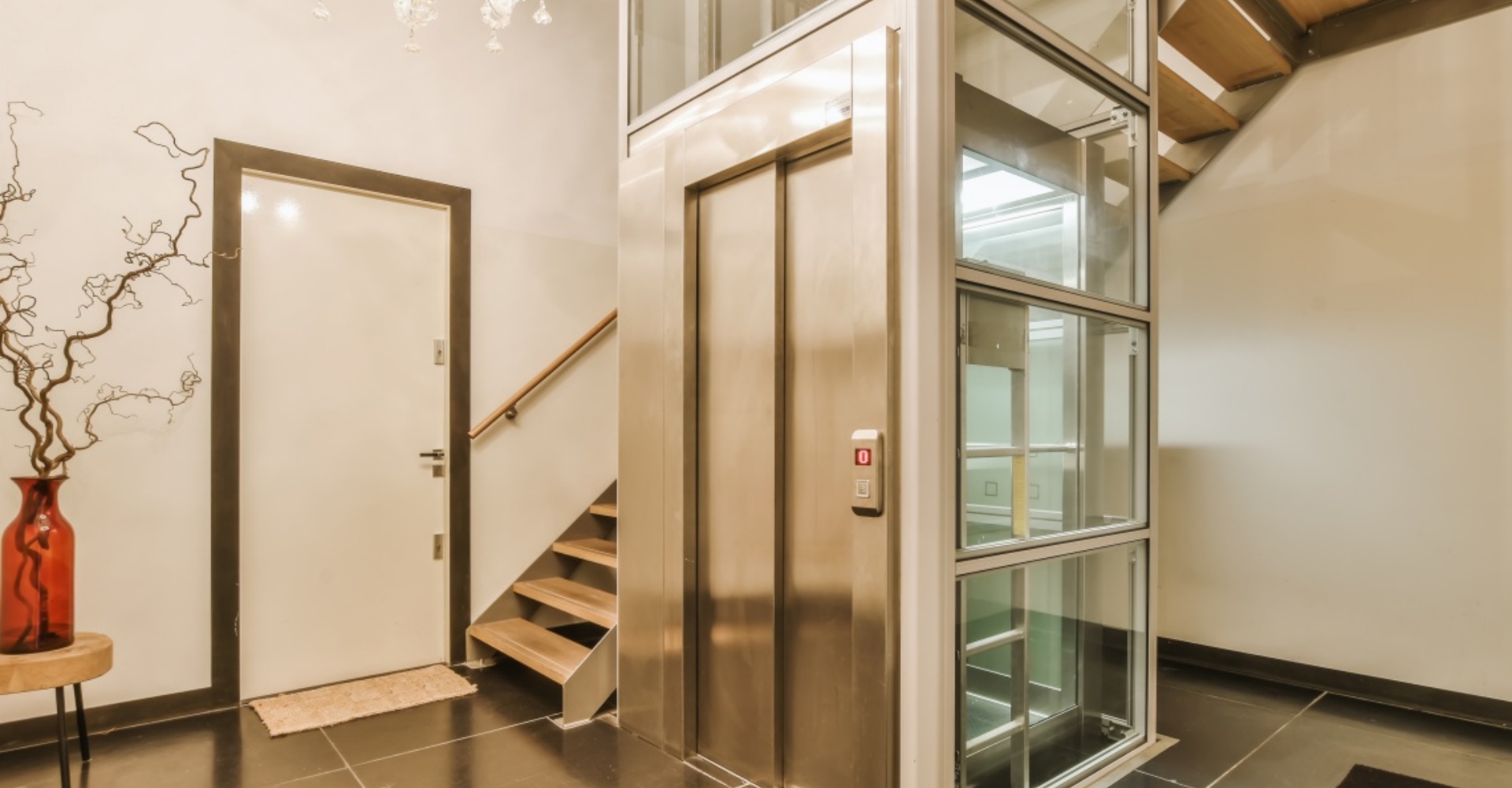
Panoramic elevators are often selected for commercial buildings, hotels, shopping centers, tourist attractions, and other projects where elevator aesthetics are important.
Glass cabin and shaft designs can turn the elevator into part of the building’s architectural experience.
Home and Residential Elevators
Residential elevators are generally designed for private homes, villas, and low-rise residential projects.
Compared with commercial elevators, they may have different requirements for capacity, speed, shaft construction, interior design, and installation conditions.
4.Understand the Main Elevator Specifications
Before comparing suppliers, contractors should understand the most important elevator specifications.
Load Capacity
Common elevator capacities vary depending on the application. The required capacity should be determined according to building use and local requirements rather than simply choosing the largest available model.
Typical commercial applications may require capacities such as:
- 450 kg
- 630 kg
- 800 kg
- 1000 kg
- 1150 kg
- 1350 kg
- 1600 kg
- 2000 kg or more
The appropriate capacity depends on the project.
Elevator Speed
Elevator speed is generally specified in meters per second (m/s).
Low-rise buildings may use lower-speed elevators, while taller commercial buildings can require higher speeds.
However, higher speed does not automatically mean a better elevator. The correct speed should be determined according to building height, traffic demand, comfort requirements, and applicable standards.
Number of Stops
The number of stops affects the elevator control system, travel distance, wiring, doors, installation requirements, and overall cost.
Make sure the supplier’s quotation clearly states the number of floors and stops included.
Door Opening
Door width and opening type are especially important for:
- Hospitals
- Hotels
- Freight applications
- Accessible buildings
- High-traffic commercial projects
Contractors should confirm door dimensions during the architectural planning stage.
Shaft Dimensions
Shaft dimensions are among the most important pieces of information for elevator procurement.
Before ordering, confirm:
- Shaft width
- Shaft depth
- Pit depth
- Overhead/headroom
- Rail positions
- Door opening
- Machine room requirements
An experienced elevator manufacturer should provide detailed shaft drawings for architectural and structural coordination.
5.Machine-Room vs. Machine-Room-Less Elevators
Another important consideration is whether the project requires a traditional machine-room elevator or a machine-room-less elevator.
Machine-Room Elevator
A separate machine room can provide additional space for elevator equipment and may be suitable for certain building designs and applications.
Machine-Room-Less Elevator
Machine-room-less, or MRL, elevators place the traction machine and associated equipment within the shaft area, reducing the need for a separate machine room.
MRL systems can be attractive when architects and contractors want to save building space.
However, the appropriate solution depends on the project design, local regulations, maintenance requirements, and elevator specifications.
6.How to Choose an Elevator Supplier
Selecting the right supplier is often more important than finding the lowest quotation.
When evaluating an elevator manufacturer or supplier, consider at least the following factors.
6.1 Manufacturing Capacity
Ask potential suppliers:
- How many elevators can you manufacture per month?
- What production equipment do you use?
- Do you have in-house engineering?
- How do you conduct quality control?
- Can you handle customized projects?
- What markets do you currently serve?
A supplier with experience in international projects may better understand the documentation and coordination requirements of overseas construction projects.
6.2 Project Experience
Ask for examples of similar projects.
Ideally, the supplier should have experience with projects similar to yours in terms of:
- Building type
- Elevator type
- Capacity
- Number of floors
- Destination market
- Project scale
Relevant project experience can reduce technical and communication risks.
6.3 Customization Capability
Construction projects rarely fit a completely standard elevator configuration.
You may need customized:
- Cabin dimensions
- Door dimensions
- Cabin interiors
- Stainless-steel finishes
- Glass panels
- Control systems
- COP/LOP panels
- Shaft configurations
- Electrical specifications
A capable supplier should be able to provide a customized technical proposal.
7.Elevator Certifications and Safety Standards
Certification is a critical part of international elevator procurement.
The required standards depend on the destination country, local authority, project specifications, and elevator application.
Before placing an order, confirm:
- Which regulations apply?
- Which standards must the elevator meet?
- Who is responsible for conformity assessment?
- Which documents must be supplied?
- Are local inspection or approval procedures required?
- Does the project have additional specifications from the consultant or building authority?
The supplier should clearly identify the applicable compliance route for your specific project.
8. Delivery Time and Construction Schedule
Elevator procurement should be coordinated closely with the overall construction schedule.
A typical project may include:
Technical confirmation → Drawing approval → Production → Factory inspection/testing → Packing → Shipping → Site delivery → Installation → Commissioning → Inspection → Handover
The exact timeline varies by project and supplier.
Contractors should clarify:
- Production lead time
- Drawing approval deadline
- Shipping time
- Port handling
- Customs clearance
- Site delivery requirements
- Installation duration
- Testing and commissioning
- Local inspection schedule
Delays in elevator procurement can affect final building completion, so elevator purchasing should not be treated as an isolated procurement activity.
9. After-Sales Service and Spare Parts
An elevator is a long-term system. After-sales support should therefore be considered before purchasing, not after installation.
Ask the supplier:
- How long is the warranty?
- Which parts are covered?
- How quickly can spare parts be supplied?
- Are common components stocked?
- Can technicians provide remote technical support?
- Is installation training available?
- Is maintenance documentation included?
- Can the supplier support the project several years after installation?
For international contractors, spare-parts availability is particularly important.
A small component that costs very little can still cause significant downtime if it takes several weeks to replace.
Frequently Asked Questions About Elevator Procurement
- What information do I need to request an elevator quotation?
At minimum, provide the building type, number of floors, number of stops, capacity, speed, travel height, shaft dimensions, door size, power supply, destination country, and required certification.
- How do I choose the best elevator supplier?
Compare manufacturers based on product quality, engineering capability, certifications, customization, project experience, production capacity, delivery time, warranty, spare-parts availability, and after-sales support—not just price.
- How much does a commercial elevator cost?
Commercial elevator prices vary significantly depending on capacity, speed, number of stops, configuration, interior materials, certifications, shipping, installation, and other project requirements. A supplier should provide a project-specific quotation rather than a generic price.
- Should I buy directly from an elevator manufacturer?
For many construction projects, purchasing directly from an experienced manufacturer can simplify technical communication, customization, documentation, production coordination, and after-sales support. However, contractors should evaluate each supplier based on its actual capabilities and project experience.
- When should I order an elevator?
Elevator procurement should begin early enough to allow time for technical confirmation, shaft coordination, drawing approval, manufacturing, shipping, installation, commissioning, and local inspection. The exact schedule depends on the project and supplier.