Introduction
Choosing the right elevator is very important for safety, efficiency, and cost control.
Passenger elevators and freight elevators are designed for completely different purposes. If you use the wrong type will lead to higher costs, lower efficiency, and even safety risks.
Passenger Elevators and Freight Elevators both are vertical transportation tools, but there is a big different in design purpose, safety standards, structural performance and usage specifications. So let us talk about the core differences and how to choose.
In this guide, we’ll break down the key differences and help you choose the right solution for your project.
1.What is a Passenger Elevator?
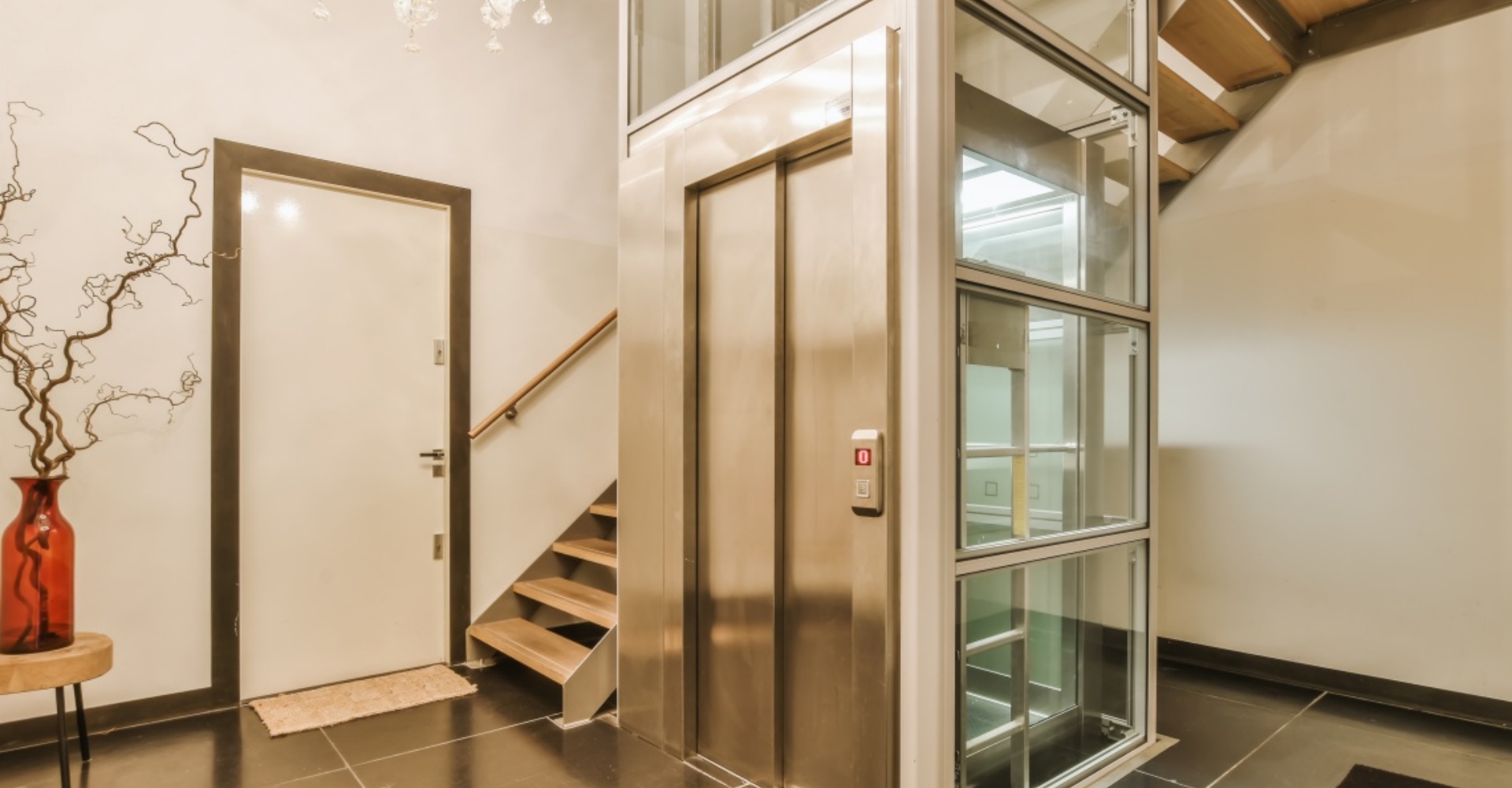
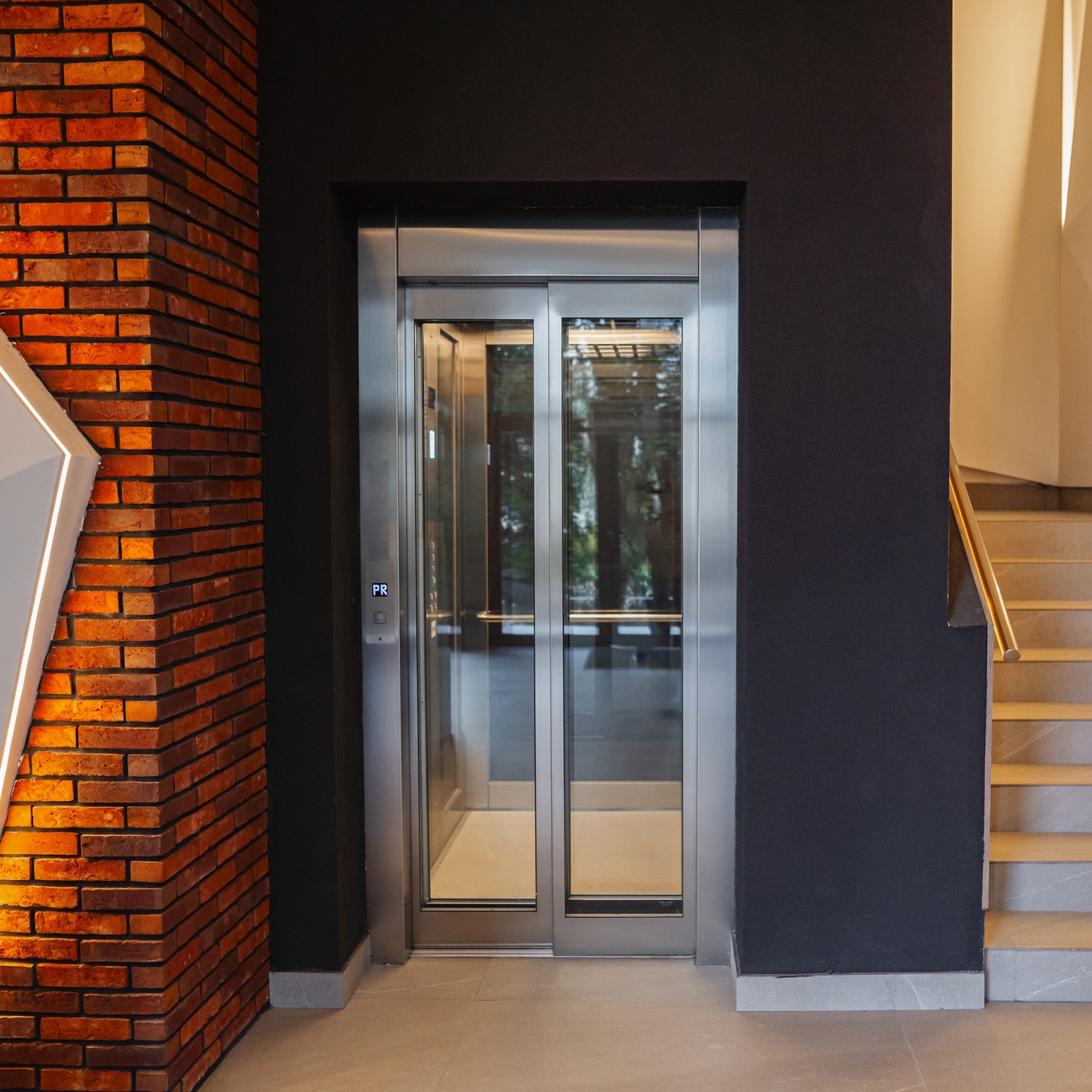
A passenger elevator is designed to transport people safely and comfortably between floors. It focuses on smooth operation, aesthetics, and advanced safety systems.
Features:
- Smooth and quiet operation
- Modern and decorative interior
- Advanced safety systems
- Suitable for high-traffic areas
Applications:
- Residential buildings
- Office buildings
- Shopping malls
- Hotels
2.What is a Freight Elevator?
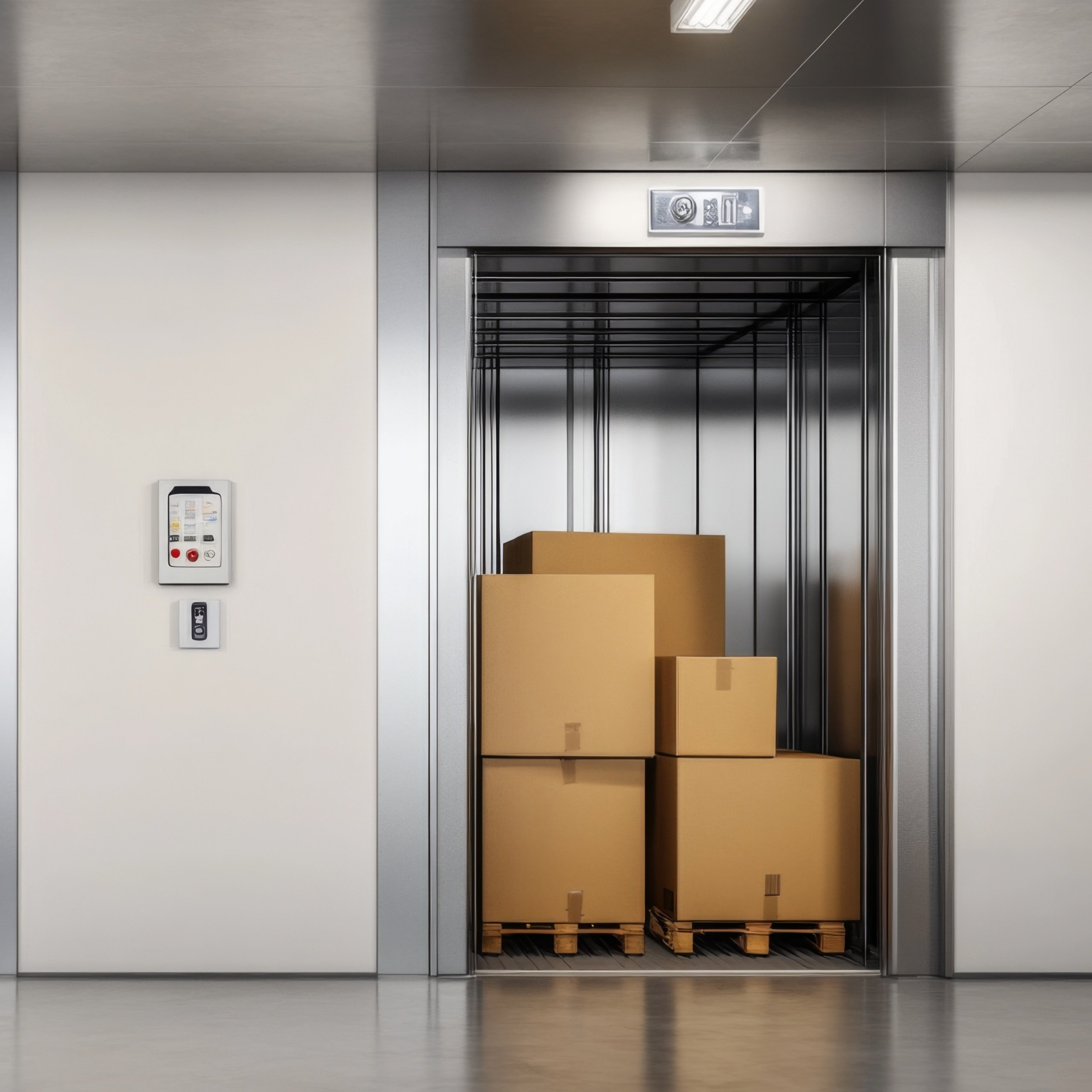
A freight elevator is designed to carry goods and heavy loads. It emphasizes durability, large capacity, and reliable performance.
Features:
- High load capacity
- Strong and durable structure
- Simple and practical design
- Stable performance
Applications:
- Warehouses
- Factories
- Logistics centers
- Supermarkets
***Passenger Elevator vs Freight Elevator***
| Type | Passenger Elevator | Freight Elevator |
| Rated load capacity | 450kg ~ 1600kg | 2000 kg ~ 10 tons |
| Running speed | Fast (1.0 ~ 4.0 m/s) | Slow (0.5 ~ 1.0 m/s) |
| Cabin structure | Lightweight design with diverse finishes (mirror, stone) | Heavy-duty structure, bare steel plate/anti-slip flooring, impact-resistant, non-decorative |
| Door System | Sensitive optical sensing, anti-pinch protection, rapid door opening and closing | Heavy-duty gantry crane, primarily designed for anti-lock cargo handling, with low sensitivity; manual doors are commonly used. |
| Security Configuration | Intercom, alarm bell, emergency lighting, ventilation, and anti-trapping protection | Mostly no calls/ventilation; only overload, limit, and collision protection features available. |
| Cabin dimensions | The depth and width are moderate, suitable for human movement, with the area strictly limited. | Spacious and symmetrical, with a relatively low clear height and a larger effective area. |
| Usage scenario | Residences, office buildings, shopping malls, hotels | Factories, warehouses, logistics centers, underground parking garages |
So how to choose the right elevator?
1.Purpose
The biggest difference is what they are designed for.
- Passenger Elevator: for people
- Freight Elevator: for goods
Passenger elevators focus more on comfort and smooth operation.
Freight elevators are built to handle heavy loads and rough usage.
2.Load Capacity
If your operation involves transporting heavy goods on a daily basis, so the passenger elevators is not a good idea in the long run.
Freight elevators are designed to handle large loads without damaging the system.
3.Speed
Passenger elevators are generally faster, especially in high-rise buildings.
- Passenger elevator: fast and smooth
- Freight elevator: slower but more stable
Freight elevators prioritize safety and load stability rather than speed.
4.Door Type
Passenger elevators usually use:
- Automatic center-opening doors
Freight elevators often use:
- Side-opening doors
- Manual or semi-automatic systems
This design allows easier loading and unloading of goods.
5.Case Example
A warehouse project in Southeast Asia needed to transport goods weighing over 2 tons every day.
At first, the client considered using a passenger elevator to reduce initial costs. However, after evaluating the actual usage frequency and load requirements, we recommended a freight elevator instead.
After installation, the system operated more efficiently, and the client avoided frequent maintenance issues.
In the long run, choosing the right equipment saved both time and money.
6.Common Mistake
One common mistake is choosing a passenger elevator for light cargo use.
Some buyers think it can handle both people and goods to save cost.
However, frequent heavy loading can:
- Damage internal components
- Increase maintenance costs
- Shorten the lifespan of the elevator
Choosing the right type from the beginning is always more cost-effective.
Now if you are still unsure, consider these questions:
- What will you transport — people, goods, or both?
- What is the average load weight?
- How often will the elevator be used?
- Do you care about appearance or durability more?
Answering these questions will help you make a clearer decision.
Final Advice
In some projects, both types are needed.
For example, a shopping mall may use passenger elevators for customers and freight elevators for logistics and storage.
If you are planning a project, it’s always better to confirm the solution before purchasing.
FAQ
Can a freight elevator carry passengers?
No, it is not recommended due to safety regulations.
Can a passenger elevator carry goods?
Yes, but only light goods occasionally.
Which elevator lasts longer?
Freight elevators usually have a longer lifespan under heavy-duty use.
Can freight elevators be customized?
Yes, they can be customized based on load, size, and usage requirements.
Which elevator is more cost-effective?
It depends on your usage. The right choice always saves more in the long term.
Contact Us
Not sure which elevator is right for your project?
We can help you choose the most suitable solution based on your building, usage, and budget.
Contact us today for a free consultation and quotation.